
Summer is one of those things that we all can’t wait to have arrive, and then as soon as it’s actually here, we are stressed out and overwhelmed by trying to keep our kids busy for day after day after day! Sure, the idea of summer sounds great – lazy mornings, warm days, playing outside, nothing to do all day…but for many families, especially for families of children with special needs, summer can be anything but relaxing.
The break in a child’s daily routine can throw off their schedules and lead to meltdowns. Even if you get through the long summer days, having had such a long break from academics can make the transition back to class in the fall incredibly rough for some children. Additionally, the lack of school for week after week often means children aren’t around other kids and may not have opportunities to practice their social skills.
Summer is supposed to be fun and relaxing. If the idea of managing through yet another summer has you ready to pull out your hair, don’t panic! With a little bit of planning, and the materials and tips I’ve included below, you can make this summer your best one yet! Keep reading for tips, tools, and some fantastic FREE printable activities!
Problem 1: Summer throws your child off his or her routine
For children with special needs, or for typically developing children who like routines, the idea of having day after day with nothing to do can be overwhelming and extremely anxiety-producing. Your child may start melting down first thing in the morning. Getting through your day is an endless uphill battle of tantrum after tantrum. Nothing seems to help and your child seems to hate absolutely everything you try to do, no matter how fun it should be.
Solution 1: Schedules

Keeping kids on a consistent routine during the summer can be tough, but using picture schedules can help you build in some predictability, even if your days are lazy and not filled with activities. For a summer schedule, rather than schedule every minute of the day, simply have each task on your schedule cover larger blocks of time. A summer day schedule may include: get dressed, eat, brush teeth, play time, play outside, eat lunch, park, swimming, play time, TV time, dinner, play outside, shower, get ready for bed. The major transitions are included, but the details are flexible. You can help your child predict what will happen during the day without having to structure every second of the day. A summer schedule should be a compromise – enough structure to help your child feel like he or she can predict what will happen, but also filled with generic enough activities to allow you to have some degree of flexibility. To learn more about making picture schedules, check out my post on why and how to use visual schedules here!
Problem 2: The transition back to school and academics is always rough
Maybe every year summer goes okay, but the transition back to school is incredibly hard. Your child starts complaining about having to do homework again weeks before school starts. The first few weeks back to school are filled with battles. Your child struggles to remember what was taught at the end of last year, and he or she seems to have forgotten how to sit and get work done without you helping with every single step.
Solution 2: Keep practicing skills through fun activities all summer long

Help your child keep busy and practice academic skills using fun activities. Often the battle over summer homework is that it feels like school. And to be fair, nobody wants to spend their summer doing worksheets. Doing engaging, hands-on tasks, in contrast can feel more like playing games while still helping your child keep up on their skills! Depending on your child’s skill level and needs, you can create or print out a range of tasks. Check out some options for color sorting here, doing math here, and practicing spelling here!
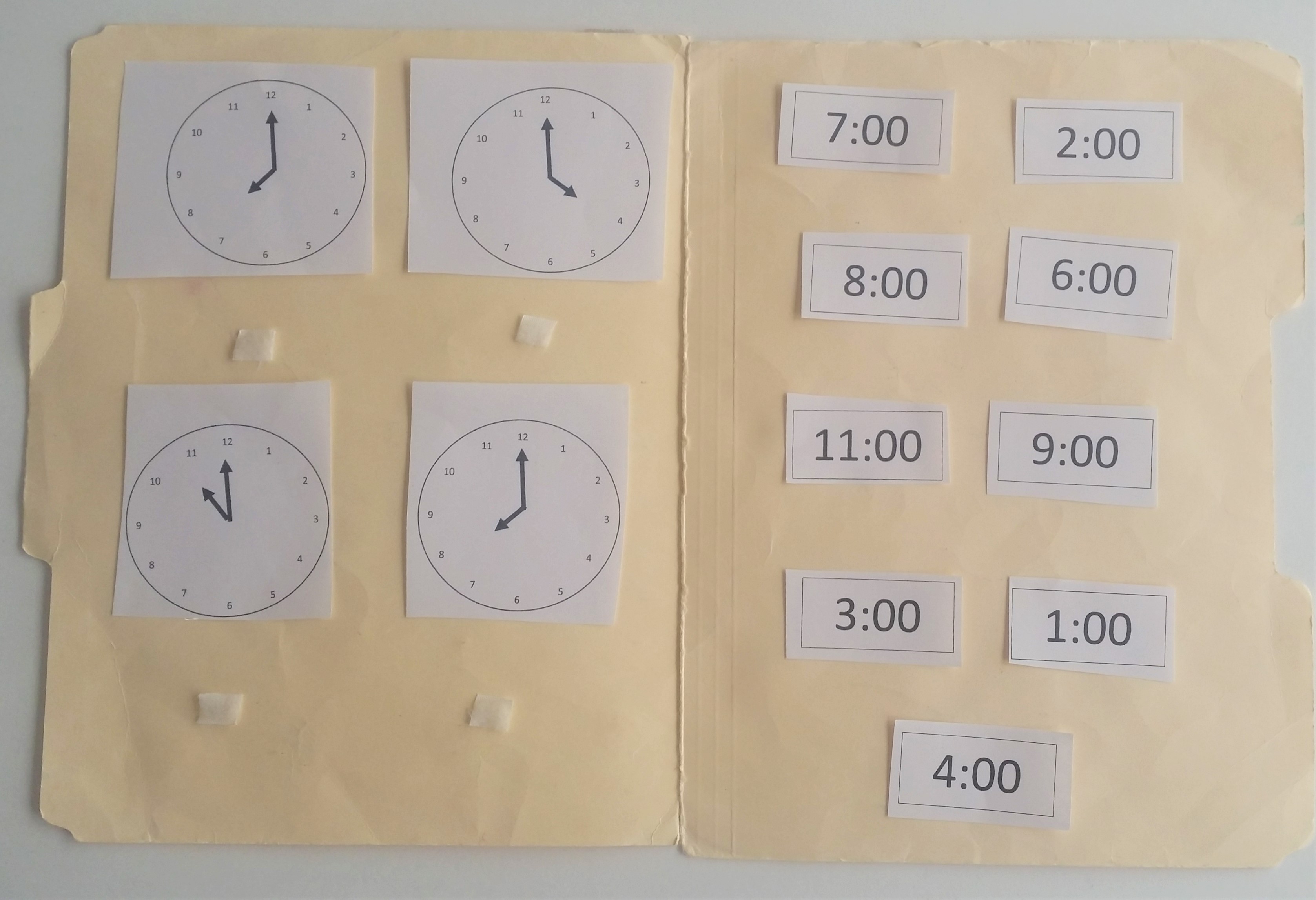
You can also use file folder activities to help your child practice skills in a more structured way. File folder activities may feel a little more like work than hands-on tasks, but they are still usually much more fun for children than standard worksheets. File folder tasks can be especially helpful for children who struggle to transition back to school in the fall. If your child usually resists getting back into the swing of homework, doing more obvious academic time all summer long can help keep your child in a routine. File folder activities are a great in-between type of work that doesn’t just feel like playing while still being more fun than worksheets. Learn more about making and using file folder activities here!
Problem 3: Your child needs help with social skills and summer makes those difficult to practice
For many children, one of the important skills addressed at school is social interaction. Some children need a little extra help learning how to talk, share, play, and engage with other children. If that sounds like your child, don’t panic about losing social skills over summer. There are plenty of ways to keep up on social skills!
Solution 3: Create social skills opportunities all summer long
There are many ways to keep practicing social skills during the summer. The most obvious solution, of course, is to try to schedule regular playdates with other children. For some children, however, playdates may be difficult to make happen. What can you do if your child doesn’t have a lot of pre-planned playdates and you don’t have same-aged neighbors available to play with during the day?

Using a variety of social skills strategies, you can help your child keep building leisure and social skills even without playdates. If your child struggles with play skills, trying using hands-on tasks to teach basic play skills, such as this one with rainbow pegs described here or this one with Lego that’s available here. If your child struggles with how to play with other children or with conversation skills, help them create a social skills book with this super fun activity available here. You can also help build emotion understanding skills with lots of games and activities using facial expression printables. The printables and ideas for use are available here.
Summer can feel like an eternity with a child who is struggling. Whether your child struggles with the lack of routines in summer, the lack of academics, or the decreased social opportunities, there are ways you can make summer easier. With the right supports and tools you can finally have a summer the whole family can enjoy!!
 thebehaviorbuzz.home.blog
One thought on “Surviving Summer”